Neyland Drive Trunkline Rehabilitation
Coating under live sewer flows saves owner millions
Location
Knoxville, Tennessee

Project Background
In 2022, the Knoxville Utilities Board (KUB) inspected a vital reinforced concrete pipe (RCP) sewer trunkline situated beneath a primary arterial road, serving as a vital access route to the University of Tennessee’s renowned Neyland Football Stadium and other sports facilities. The trunkline provides influent to the Kuwahee Wastewater Treatment Plant, KUB’s largest wastewater treatment plant.
The inspection uncovered 2,400 linear feet of severely corroded RCP. Focused on proactive infrastructure management, KUB remained vigilant and aimed to explore methods to rehabilitate the pipe before its condition worsened. Collaborating with their construction manager and engineer, the team identified essential requirements for the rehabilitation, including ensuring no interruption to the Kuwahee Wastewater Treatment Plant, minimizing disruptions to the University’s events, limiting the impact on Neyland Drive, maintaining the budget and schedule, as well as providing a solution that went beyond a short-term repair.
The team considered the dig-and-replace method, but it was eliminated due to the cost and topside disruptions. The team opted for trenchless rehabilitation, selecting bids based on pricing, project approach, and qualifications. A&W Coatings (A&W) secured the rehabilitation contract. Traditional trenchless rehabilitation methods, like slip lining and cured-in-place pipe (CIPP), were also considered but required bypass pumping. However, the associated costs surpassed KUB’s budget, and the required footprint exceeded the designated area.
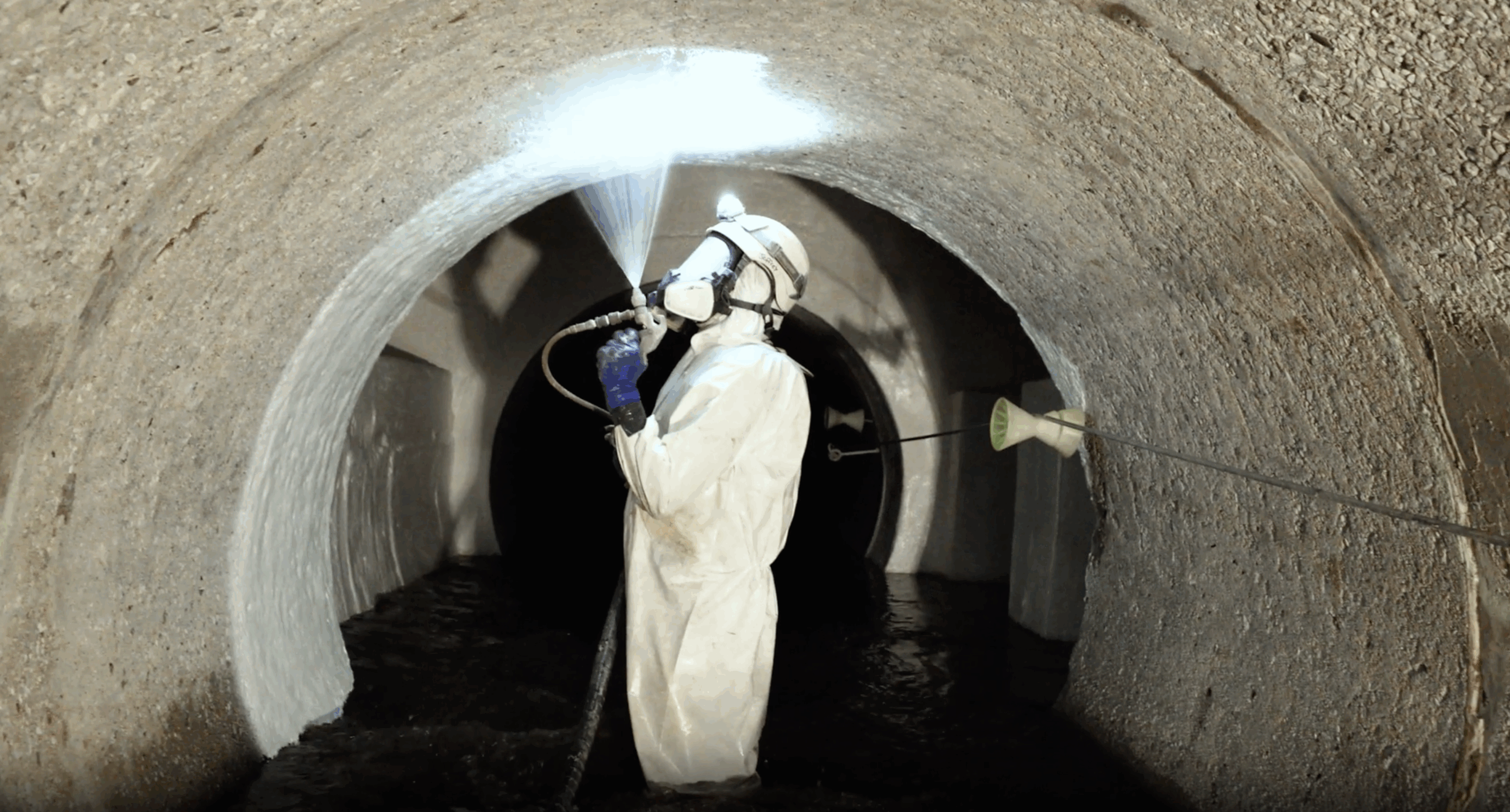
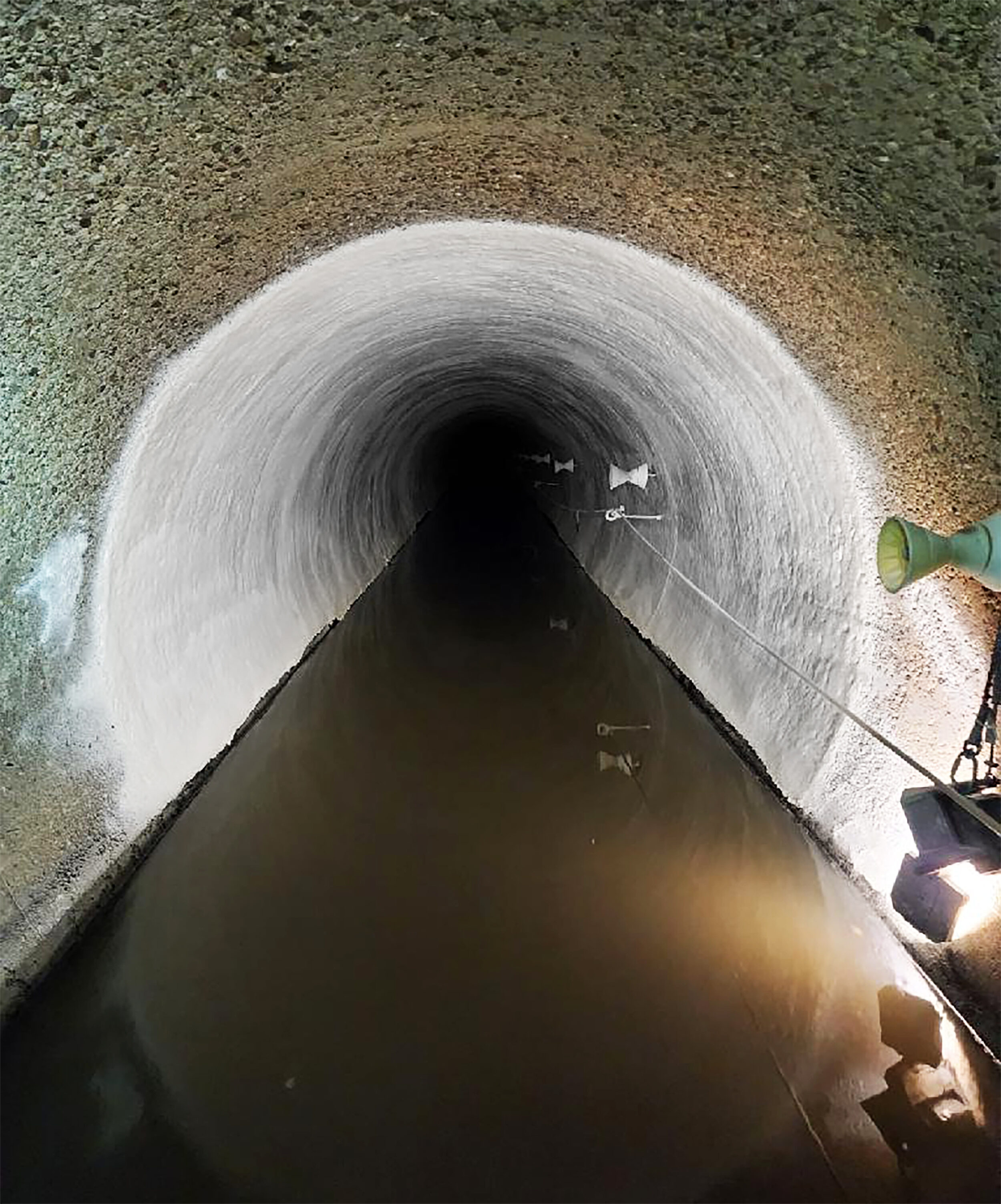
A&W proposed a unique solution of using Warren Environmental’s (Warren’s) high build epoxy coating and for the work to be completed at night and under live sewer flows. Warren’s epoxy is ideal for damp environments, allowing the coating of the area above the water line. This approach eliminated KUB’s need for bypass pumping and resulted in significant cost and time savings, amounting to millions of dollars.
Choosing Warren’s epoxy coating system was reinforced by its success on a previous KUB project, the Second Creek Trunkline Rehabilitation, which is still in service today. Second Creek demonstrated the epoxy’s ability to withstand highly corrosive sewer systems, offering a long-term solution rather than a temporary fix. This forward-thinking strategy delivered substantial cost savings and minimized disruption, solidifying its position as an innovative and efficient solution for KUB.
Scope of Work
The project’s scope involved rehabilitating 2,349 linear feet of RCP, featuring two segments with varying diameters ranging from 78 to 84 inches. Additionally, the scope included the rehabilitation of seven brick manholes, ranging in depth from 21 to 36 inches, and three concrete vaults.
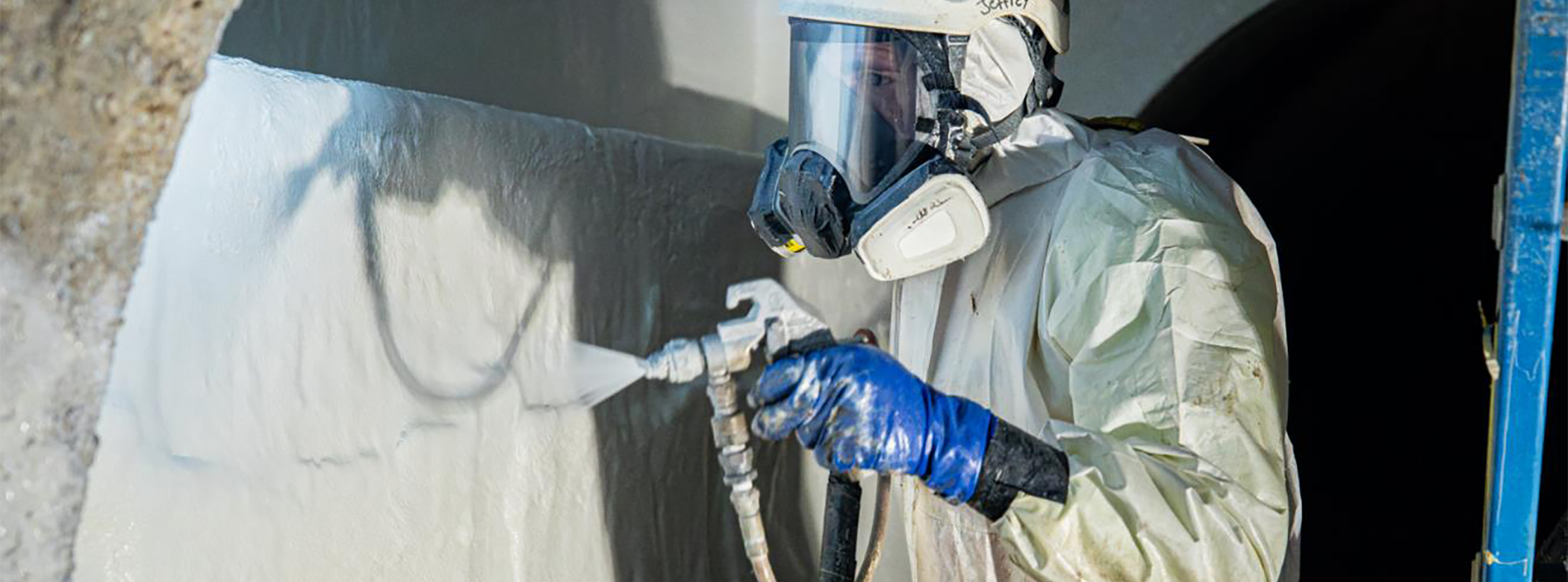
The initial phase of the pipe rehabilitation consisted of surface preparation, concrete repairs, and keyway cutting above the water line when the flows were at their lowest point. Subsequently, the crew water blasted to achieve the ideal surface profile for coating application. Using Warren’s 301-14 high-performance epoxy coating, 250 mils were spray-applied. This included the coating of 285 joints and the execution of 877 square feet of spall repairs.
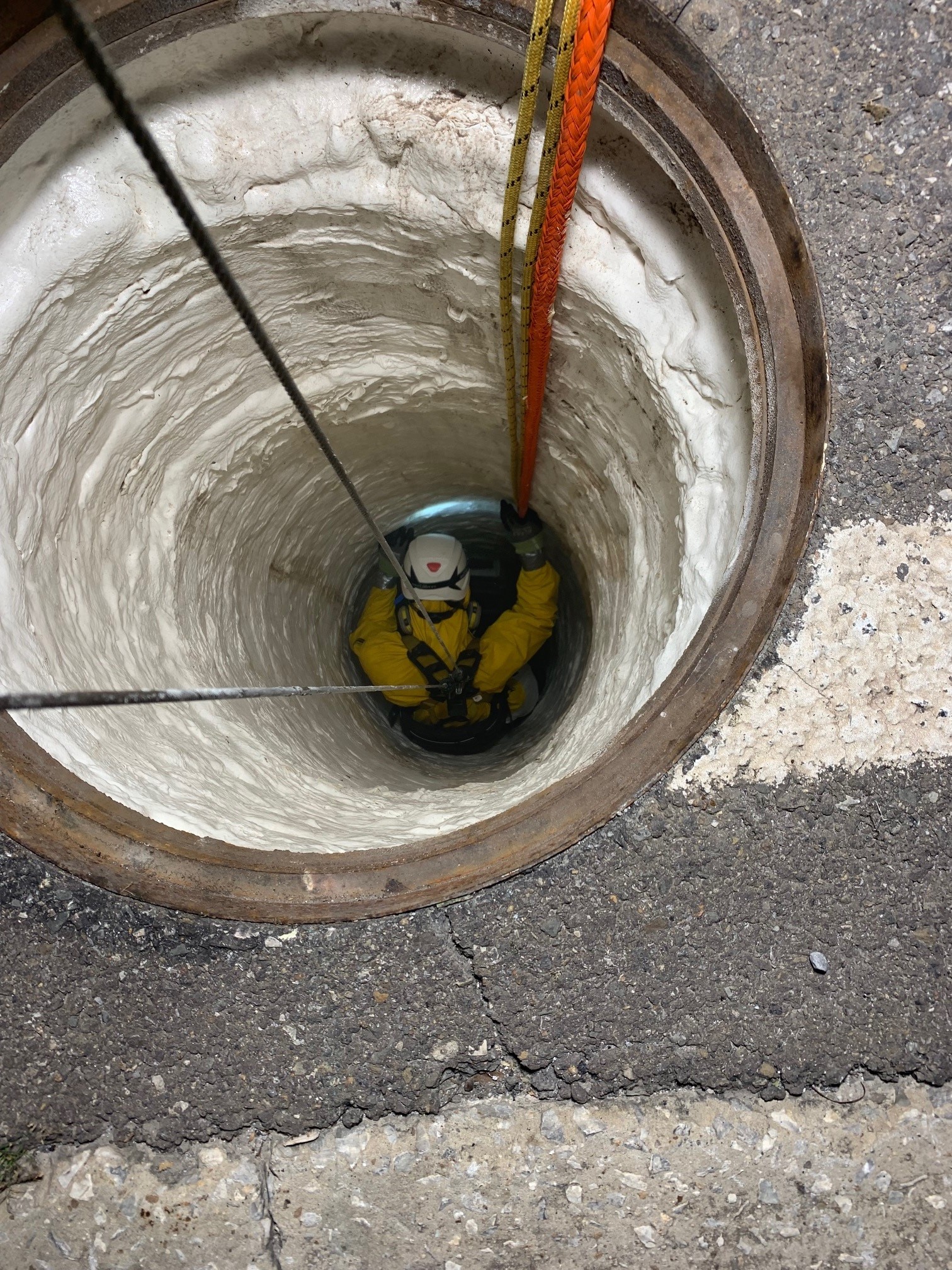
In parallel, the brick manholes and concrete vaults underwent similar preparation and coating with Warren’s epoxy product. The vaults required strategic staging and protection for KUB’s flowmeter and weir gates. The post-application phase included inspection of the coatings. Adhesion pull tests were conducted, yielding impressive average pipe readings of 1,056 PSI, surpassing the specified requirement of results greater than 300 PSI.
Project Challenges
Undertaking the rehabilitation of a pipe under live flows presented multiple benefits to KUB, but it also significantly heightened the challenges the A&W crew encountered. The pipe environment introduced various hazards to the crew, including exposure to harmful bacteria and debris. Given the confined space conditions, it was key to ensure continuous airflow, and the team had to remain vigilant about potential weather events that could lead to a sudden rise in water levels or pose a risk of lightning. The intricate nature of working in such conditions demanded diligent safety measures and constant crew awareness. A&W initiated the project with a meticulously developed site safety plan. This comprehensive plan underwent a thorough review by safety consultants and in-house staff, ultimately receiving approval from KUB before the start of the project.
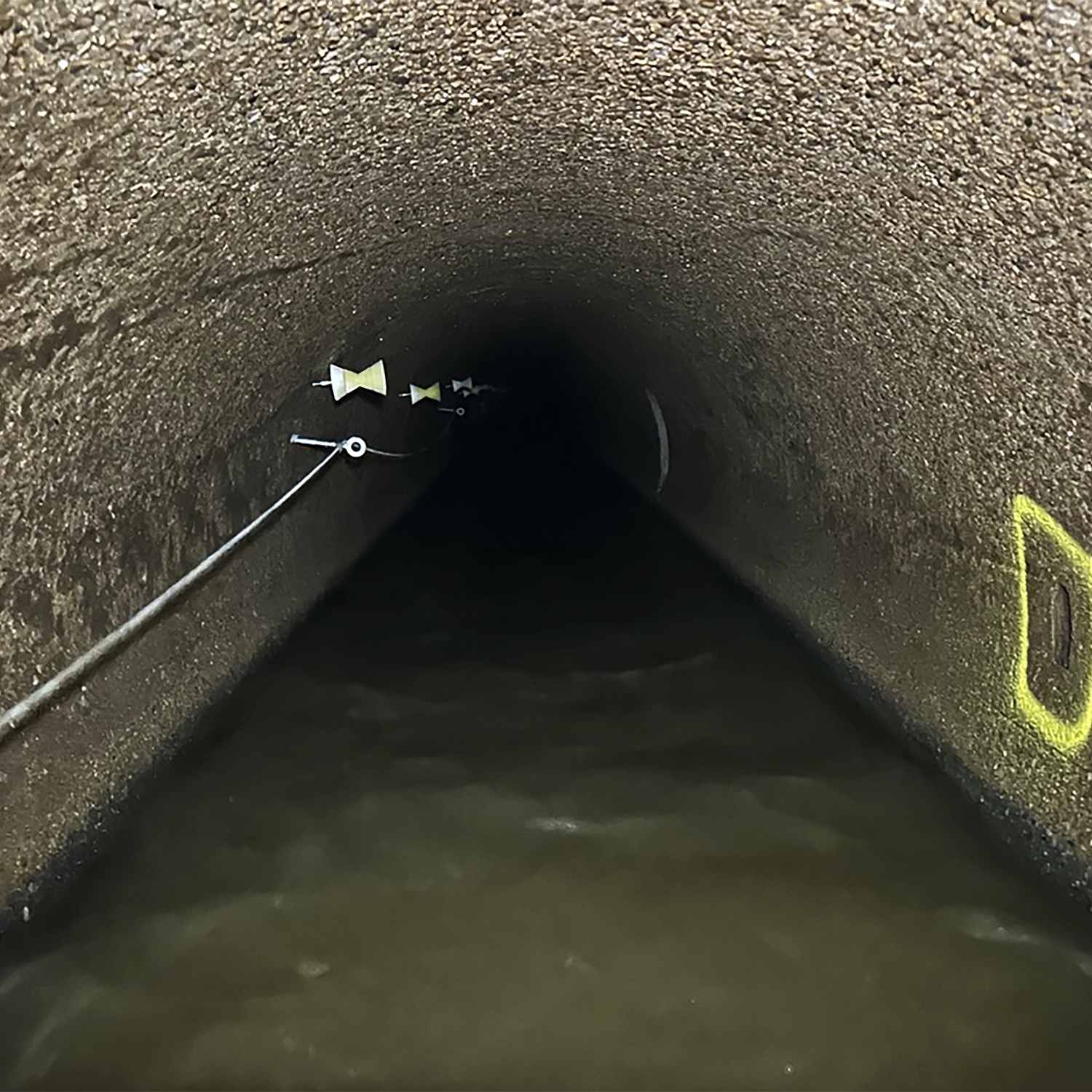
Several strategic measures were implemented to address the environmental hazards within the pipe and ensure the crew’s safety. This included the installation of a safety cable to facilitate walking, the adoption of a harness system, and the provision of protective gear. The crew wore a life jacket, puncture-resistant waders, Tyvek suits, and double layers of cut-resistant gloves. Demonstrating innovative foresight, the team developed a custom device designed to catch someone unconscious and floating versus allowing the flow to carry them further down the pipe.
Additional safety measures involved implementing a fan system at the entry and egress points to ensure a continuous clean air supply. Each crew member was equipped with an individual air monitor, and monitors were strategically positioned on each tripod to assess air quality.
Real-time monitoring of water levels was facilitated by transducers placed at two locations on opposite ends and near connection lines for accessible water entry points. Daily weather monitoring was carried out, with the project team making go/no-go decisions when necessary and promptly reporting to the general contractor and KUB.
Communication within the pipe was a challenge due to access points being situated 30 feet deep and spanning 600 feet. Radios equipped with repeaters proved inconsistent. A reliable buddy system was implemented to address this, ensuring effective communication. These safety measures underscored the crew’s commitment to ensuring a secure working environment amid the unique challenges encountered.
Project Successes
The Neyland Drive Trunkline Rehabilitation showcased innovative practices by implementing Warren’s epoxy coating system, coupled with the seasoned expertise of A&W, efficient project management, and an unwavering commitment to safety. This combination resulted in the project’s early completion. Executed between June and November 2023, the job was completed four months ahead of schedule, leading to a substantial cost reduction. This accelerated timeline also minimized disruptions to the University and drivers along Neyland Drive.
Notably, the entire project was accomplished without bypass pumping ($7-10 million job cost), drastically increasing safety risks for the A&W crew. However, meticulous planning and diligent efforts by the A&W crew contributed to an impeccable safety record, with the project concluding without a single safety incident.
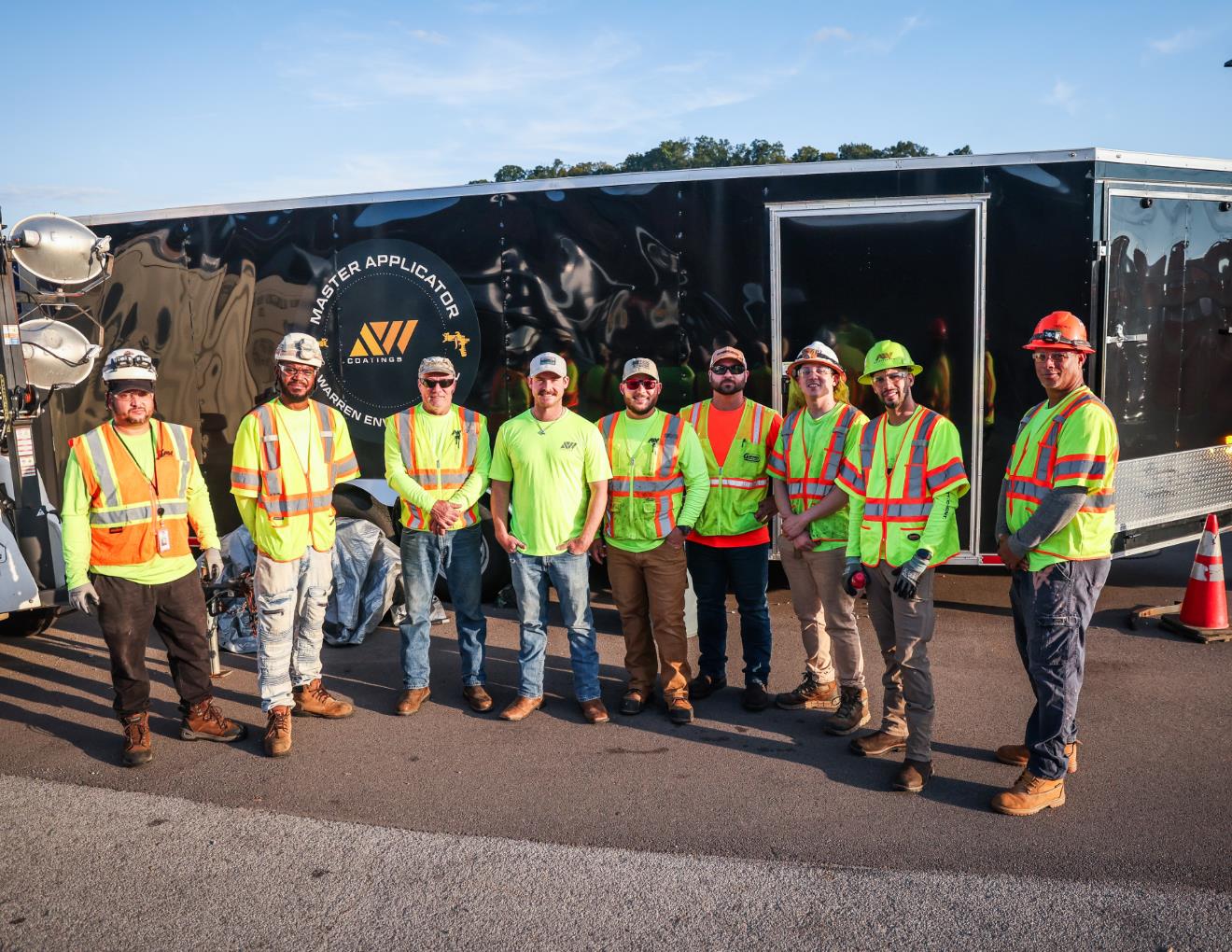
The collaborative efforts among A&W, Warren, and the project stakeholders played a pivotal role in the success of this critical wastewater infrastructure rehabilitation. Their collective dedication to proactive asset management and safety set a standard for future projects of a similar nature.
Photos